Arya News - Critics say the new commitment to pass the asset forfeiture bill may be driven by the government’s need to finance President Prabowo Subianto’s flagship programs, while also underlining concerns about the lack of transparency around the draft law.
JAKARTA – The long-delayed asset forfeiture bill has recently taken an unexpected political turn with the House of Representatives promising to pass the legislation by the end of the year, citing growing public pressure.
But the pledge was met with caution amid concerns from observers, including those who once championed the draft law, that it is becoming increasingly tied to the government’s efforts to finance President Prabowo Subianto’s ambitious programs while burnishing the President’s antigraft credentials.
The latest shift came to the fore after the House, whose political parties have for years resisted passing the bill over perceived conflict of interest concerns, announced its commitment to push through the decades-old legislation by mid-December. The commitment was proclaimed by House Deputy Speaker Sufmi Dasco Ahmad of Prabowo’s Gerindra Party.
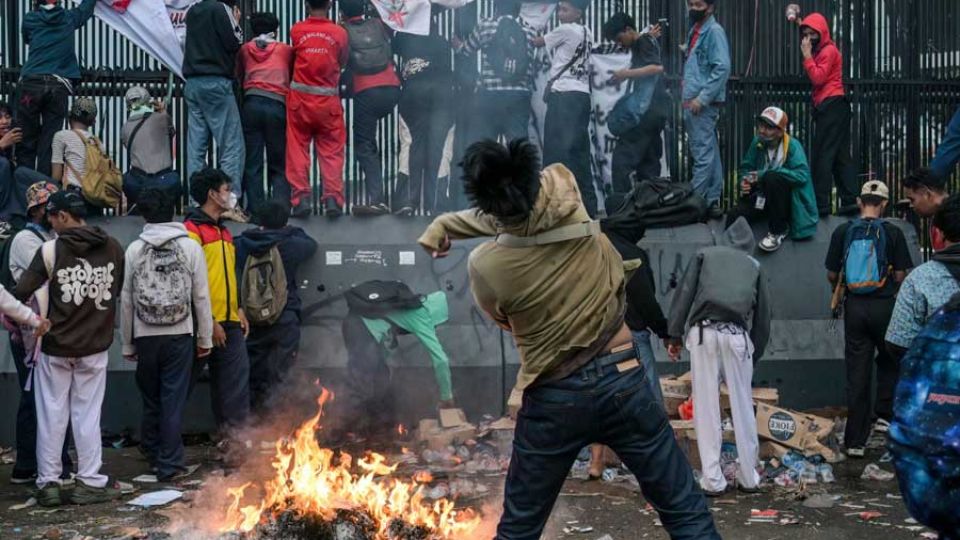
The announcement came following a protest on Aug. 27 spearheaded by the United Pati People’s Alliance (AMPB) to demand lawmakers expedite the bill deliberations. The group, which hails from Central Java’s Pati, rose to prominence through protests in 2025 against former regent and Gerindra politician Sudewo.
First proposed in 2008, the asset bill has languished for years, with an initial draft developed during former president Susilo Bambang Yudhoyono’s term failing to advance to the house. Another version was submitted to the legislature during the tenure of his successor, Joko “Jokowi” Widodo, but deliberations stalled without meaningful progress.
The renewed push for the bill could be driven partly by the government’s need to finance its costly ambitious programs, including Prabowo’s flagship free nutritious meal program that cost the state hundreds of trillions of rupiah.
A motivation to confiscate illicit assets to finance government programs raised serious questions about governance, according to analyst Nicky Fahrizal of Jakarta-based think tank Centre for Strategic and International Studies (CSIS).
“Funding for these programs should come from what the state budget can afford, rather than relying on proceeds from seized assets to make up any shortfall,” Nicky said.
Read also: Calls mount for House transparency on asset forfeiture bill
Nicky also warned the bill might serve as a populist tool to bolster Prabowo’s image ahead of the 2029 election, after the President came to office promising a crackdown on corruption and making asset recovery a cornerstone of his antigraft agenda.
“The public sentiment against corruption is very strong, so there is a political appeal in showing that the government is taking tough action,” Nicky explained, adding public opinion created an incentive for authorities to emphasize visible law enforcement actions and large asset confiscations.
House of Representatives Deputy Speaker Sufmi Dasco Ahmad (right) of the Gerindra Party shows a copy of the legislature’s commitment letter to pass the asset forfeiture bill to representatives of the United Pati People’s Alliance (AMPB) on Aug. 27 at the Senayan Legislative Complex in Central Jakarta. The AMPB staged a protest in front of the legislative complex to demand the passage of the long-awaited asset forfeiture bill and harsher punishment for corrupt officials. (Antara/Asprilla Dwi Adha)
Despite the renewed commitment to push the bill, the House was met with warning from other observers against rushing the bill’s passage without “meaningful public participation”, with the latest version of the draft law remaining inaccessible to the public.
Former Financial Transaction Reports and Analysis Center (PPATK) chief Yunus Husein, who was involved in developing one of the bill’s earliest versions, raised concern over the lack of transparency surrounding the latest draft, which was drawn from scratch by lawmakers.
Without proper safeguards and oversight, he warned the legislation could easily be misused to target political opponents as well as civil groups and activists critical of the government, including those who received donations or funding from abroad.
“Asset recovery remains a problem in our country and we do need to address it,” Yunus said. “But we shouldn’t end up creating new problems through this legislation.”
He added the target to pass the bill by December should not come at the expense of meaningful public participation.
Former Jakarta governor Basuki “Ahok” Tjahaja Purnama also warned last week merely passing the proposed bill would be insufficient to curb corruption, while the regulation could also be used as a tool for extortion if the systemic problems in the country’s law enforcement system are not addressed.
A coalition of antigraft watchdogs has called on lawmakers to open the draft to the public. They warned the bill may instead benefit certain groups, citing concerns that key provisions have been watered down, such as the apparent removal of the illicit enrichment clause, tighter limits on non-conviction-based forfeiture and a lack of clarity over who would manage the confiscated assets.
Reflecting on rejections against the bill in the past, some question whether the draft law could test the unity of the ruling coalition, which controls more than 80 percent of the House. But CSIS’ Nicky said while some parties may have reservations about the bill, their concerns might not translate into open opposition given Prabowo’s outsized influence.
Gerindra lawmaker Habiburokhman, who chairs House Commission III overseeing legal affairs, said last week the House would introduce safeguards to prevent the future law from being misused by law enforcement officials to extort citizens, target political opponents or silence critics.