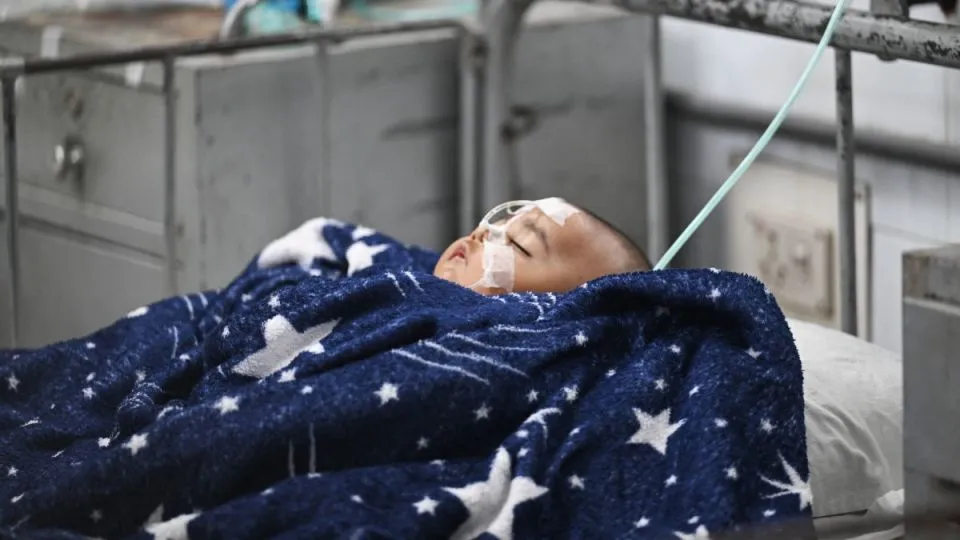
Arya News - Of the eight cases, six involved Brunei citizens, while the remaining two were Bangladeshis.
BANDAR SERI BEGAWAN – Between November 12 and 22, 2026, eight measles cases were confirmed through serological tests conducted by the Ministry of Health’s (MoH) National Virology Reference Laboratory.
Of the eight cases, six involved Brunei citizens while the remaining two were nationals from Bangladesh.
According to a MoH statement yesterday, three of the measles cases involved infants below 12 months of age who were not yet eligible to receive the MMR (Measles, Mumps, and Rubella) vaccine. The remaining five cases involved adults aged between 31 and 52 who had no recorded history of MMR immunisation. All patients have undergone clinical assessments. Samples from the patients have been sent to an overseas reference laboratory for PCR testing.
The MoH, through the Brunei Centre for Disease Control and Prevention (Brunei CDC), is conducting detailed investigations to identify the source of infection, including contact tracing and identifying locations visited by the affected patients.
Preliminary investigations indicate that the cases may be linked to an imported case from overseas.
Close contacts have been contacted directly and placed under health monitoring for a period of 21 days.
Measles is a viral infection that is very contagious and spreads through the air containing tiny droplets infected with the virus from the mouth and nose when talking, coughing, or sneezing. The virus can stay in the air for up to two hours.
Measles symptoms usually appear within seven to 14 days after being exposed to the virus.
The symptoms include high fever, cough, runny nose, red and watery eyes, white spots inside the mouth, and a red rash that starts on the face before spreading to the rest of the body. Patients can infect others starting four days before and after the rash appears.
Measles can lead to serious complications like pneumonia, brain inflammation (encephalitis), and even death. The risk of complications is higher among infants, pregnant women, and individuals with weakened immune systems. There’s no specific antiviral treatment for measles; the care given is meant to relieve symptoms and manage complications.
Vaccination is the best protection against the disease and is provided under Brunei Darussalam’s National Immunisation Programme for children at 12 and 18 months old. The MMR vaccine is safe and effective, with two doses giving about 97 per cent protection against measles. Brunei Darussalam achieved measles elimination status in 2015. MMR vaccination coverage in the country has remained above 97 per cent over the past five years, providing a high level of herd immunity.
Based on the current risk assessment, the risk of infection among individuals who are fully vaccinated is low. However, unvaccinated individuals or those who have not completed their recommended vaccine doses, particularly children and other high-risk groups, face a greater risk of infection when exposed to the virus.
As a precautionary measure, parents and guardians are urged to ensure that their children receive complete vaccinations according to the national immunisation schedule and attend their scheduled vaccination appointments. Vaccination records can be checked through the yellow vaccination card, Children Health Book or BruHealth application. Parents and guardians may contact their nearest health centre to arrange vaccination appointments if their children have missed any vaccine doses.
High-risk individuals, including infants below 12 months of age, pregnant women and those with weakened immune systems, are advised to seek medical advice immediately if they have been exposed to a confirmed measles patient, even if they have not developed symptoms.
The public experiencing symptoms is advised to avoid attending school, going to work or visiting public places, except when seeking medical assessment and treatment. Before visiting a clinic or hospital, they are advised to contact a health centre or call the Health Advice Line 148 for guidance. Wear a face mask, practice good hygiene, and including regular handwashing and covering the mouth and nose when coughing or sneezing, and inform registration counter staff of the symptoms, as well as any recent travel history or contact with a measles patient.
The public planning to travel overseas is advised to take precautions and remain informed about infectious disease situations and health advisories in their intended destinations.
Anyone who develops symptoms during or after travelling is advised to seek medical attention and inform healthcare personnel of their travel history.
The MoH said it will continue to monitor the situation, ensure that healthcare services remain prepared and provide updates as necessary. The public is advised to obtain information from official sources and refrain from spreading unverified information.