Arya News - In the first seven months of this year, tourist arrivals crossed the 15,000 mark—more than double the figure recorded in the same period last year.
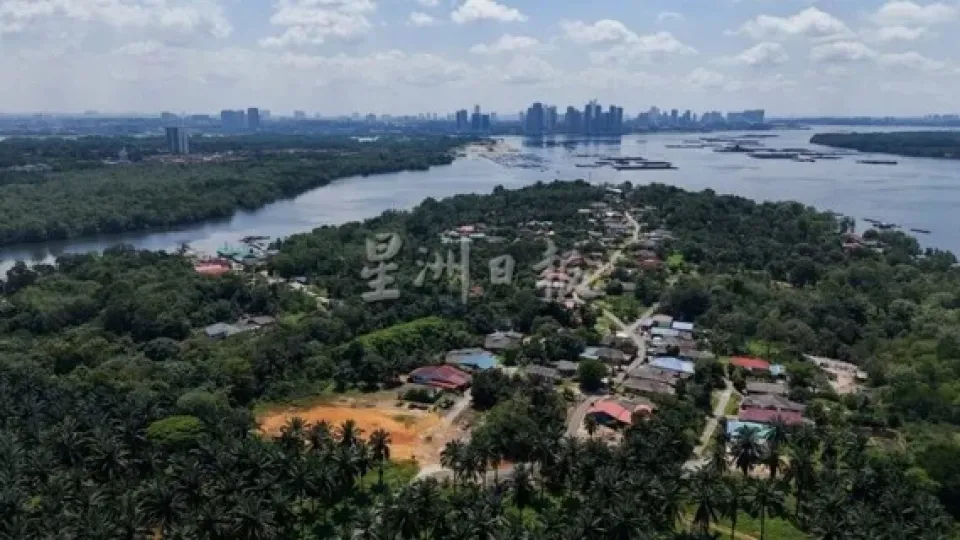
ISKANDAR PUTERI – Listed as a key development project for Visit Johor Year 2026, the 160-year-old Kampung Sungai Melayu is transforming from a traditional fishing village into a premier ecotourism landmark.
In the first seven months of this year, tourist arrivals crossed the 15,000 mark—more than double the figure recorded in the same period last year.
Spanning approximately 40 hectares in Iskandar Puteri, the village is surrounded by lush mangroves and nicknamed “Mini Amazon.”
While residents originally launched river tours through a local cooperative years ago, the Johor State Government allocated RM12.7 million last year to upgrade the infrastructure and tourism facilities in the area to accelerate its growth.
Phase 1 of the development has already been completed. Key enhancements include upgraded roads, a modern jetty, cruise boats, a cultural square, vendor stalls, parking areas, and electric shuttle buggies.
The upgraded zone was officially reopened in June by Johor Menteri Besar Datuk Onn Hafiz Ghazi, marking a new milestone for the ecotourism destination.
Sin Chew Daily journalist based in Johor recently visited the revamped zone on an itinerary arranged by the local village cooperative to experience the newly introduced tourism packages.
Cooperative manager Radziah shared official figures indicating that visitor arrivals reached 15,188 by July this year, up sharply from 6,256 recorded in the corresponding period last year.
For context, total arrivals in 2023 stood at around 9,000.
In other words, arrivals in just seven months of this year have already far surpassed last year’s total, building confidence toward exceeding the full-year target of 20,000 visitors.
“We started preparing well ahead of Visit Johor Year 2026,” Radziah said.
“Besides infrastructure upgrades, we expanded our tourism offerings and intensified marketing efforts to welcome the anticipated surge in tourists,” she said.
Foreign visitors currently are from South Korea, China, and Singapore.
As visitor numbers grow, many are sharing their experiences on social media, giving the village valuable international exposure and boosting its brand presence.
Following the completion of Phase 1, accessibility to Kampung Sungai Melayu has improved significantly with more activities.
The access road from Bukit Indah has been widened, reducing travel time to a comfortable 20-minute drive. On the water, a new river cruise option has been introduced to complement the original small sightseeing boats.
The new river cruise boat accommodates up to 30 passengers for a 45-minute return journey toward Danga Bay. Along the way, passengers can view floating homes, fish farms, and urban skyline developments—making it ideal for senior citizens and young children.
Conversely, the smaller sightseeing boats offer a more adventurous experience, taking visitors deep into the mangroves, visit mussel farms, and try their hand at crab catching.
Radziah said that the village previously averaged 5 to 6 boat trips daily and around 20 on weekends. With the upgraded facilities and rising demand, peak days during weekends and school holidays now see up to 160 boat trips daily.
With Phase 1 complete, subsequent development phases will follow. Phase 2 involves the construction of a floating mosque, scheduled to break ground by the end of this year, while Phase 3 will introduce a mangrove boardwalk to enrich the ecotourism experience further.
Village head Tok Suzaidi Ibrahim said that Kampung Sungai Melayu was established in 1866 and currently comprises roughly 220 houses with a population of over 950 residents.
“Historically, villagers relied entirely on fishing for their livelihoods,” Suzaidi said.
“Since we began promoting ecotourism in 2014, the growing industry has provided residents with a supplementary income stream besides traditional fishing,” he said.
Today, the village cooperative boasts around 350 resident members actively participating in ecotourism activities and projects. Others operate small-and-medium enterprises or work as boat captains, benefiting households across the B40 and M40 income groups.
“When we first introduced ecotourism, some residents had reservations. But over time, seeing how it generates tangible income, community acceptance has grown significantly,” Suzaidi added, highlighting that ecotourism has created fresh job opportunities for local youth, curbing rural-to-urban youth migration while uplifting low-income families.
During the visit, Iskandar Puteri City Councillor Chuah Lee Hui was also spotted touring the area with friends and family.
Chuah highlighted that besides rich mangrove ecosystems, the village’s local specialties—such as fried mussel crackers (keropok kupang) and asam pedas fish—are major draws. Visitors arriving in the morning can also buy fresh seafood directly from local fishermen returning from the sea.