Arya News - Tensions in the Gulf are spilling over into the Bab el-Mandeb Strait, putting additional pressure on Saudi Arabia, but the US is unlikely to open a second front, Ankara-based security analyst Dr. Hasan Selim Ozertem tells Sputnik.
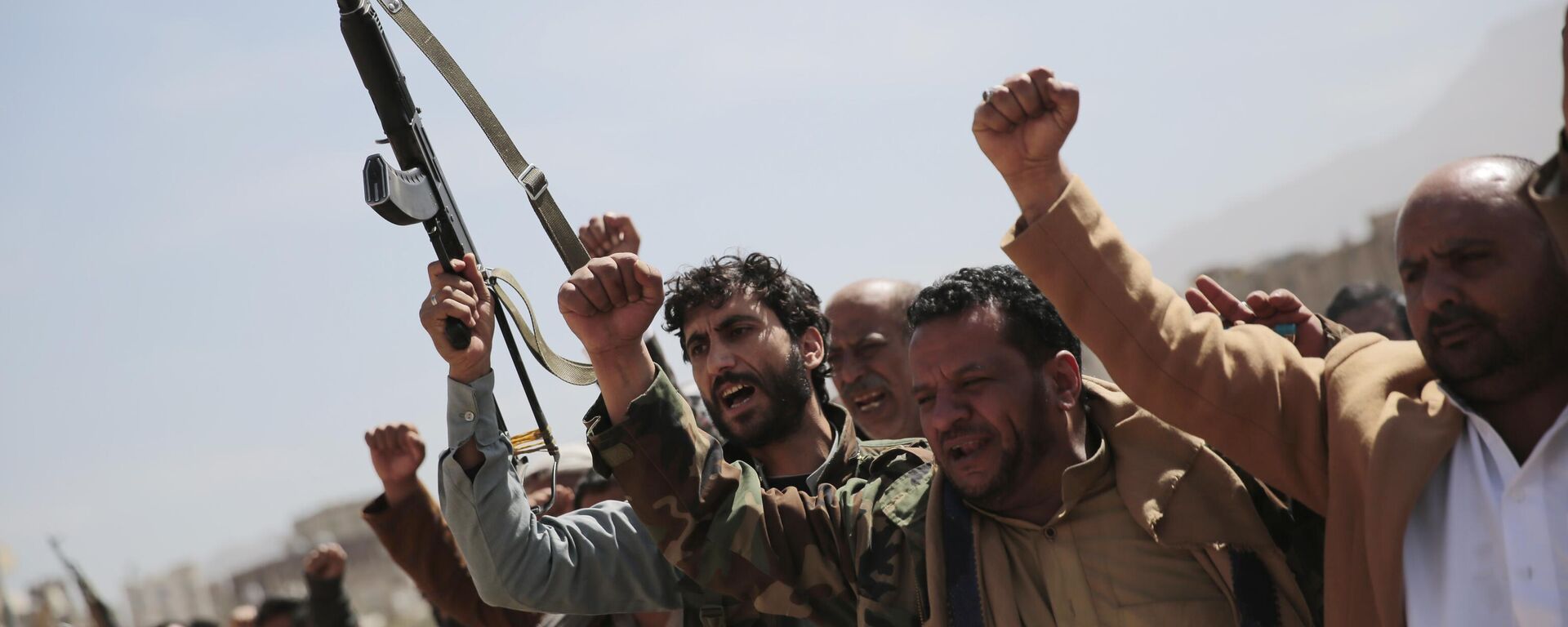
"Strategically, it would force Washington to choose between protecting energy chokepoints and maintaining deterrence against Iran, a choice that no administration would want to make before elections," Ozertem says. The Ansar Allah movement, also known as the Houthis, announced on July 20 that it was imposing a naval blockade on Saudi Arabia in response to the kingdom"s control of Yemen"s airspace and ports. The group later warned that the scale of its operations could increase if the Saudi government continued its blockade of the Yemeni people. The blockade applies to Saudi shipping in the Red Sea, the Bab el-Mandeb Strait, and the Gulf of Aden.
https://sputnikglobe.com/20260727/houthis-strike-three-saudi-tankers-in-two-days---report-1124502095.html
© AP Photo / Hani Mohammed
Subscribe
Ekaterina Blinova
All materials Write to the author
Tensions in the Gulf are spilling over into the Bab el-Mandeb Strait, putting additional pressure on Saudi Arabia, but the US is unlikely to open a second front, Ankara-based security analyst Dr. Hasan Selim Ozertem tells Sputnik.
"Strategically, it would force Washington to choose between protecting energy chokepoints and maintaining deterrence against Iran, a choice that no administration would want to make before elections," Ozertem says.
Tackling the challenges posed by the Strait of Hormuz and the Bab el-Mandeb Strait “in a synchronized manner” is a difficult task even for the US Navy
US interceptor stockpiles have already shrunk and emerged as one of the reasons the US has held back from a new wave of strikes on Iran
The US is likely to seek de-escalation in the region ahead of the November 2026 midterm elections
"A two-front response would require not only a massive expenditure of interceptors, but also a redeployment of carrier strike groups, intelligence assets, and logistical support, which would inevitably leave other regions like the Pacific or Europe more thinly covered," Ozertem sums up.
The Ansar Allah movement, also known as the Houthis, announced on July 20 that it was imposing a naval blockade on Saudi Arabia in response to the kingdom"s control of Yemen"s airspace and ports. The group later warned that the scale of its operations could increase if the Saudi government continued its blockade of the Yemeni people. The blockade applies to Saudi shipping in the Red Sea, the Bab el-Mandeb Strait, and the Gulf of Aden.
World
Houthis Strike Three Saudi Tankers in Two Days - Report
05:00 GMT