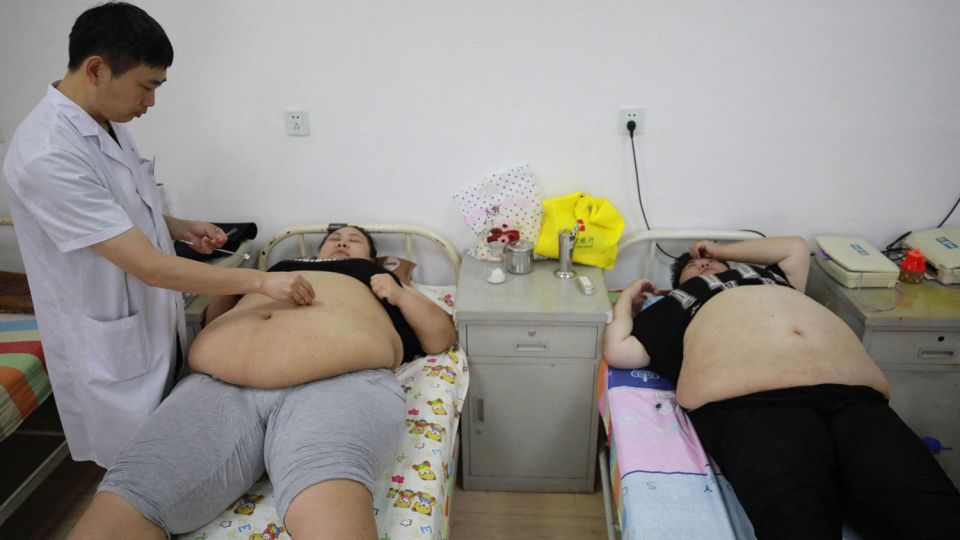
Arya News - Beijing, Tianjin, Hebei, and Shandong recorded the highest obesity rates in China, with approximately one in five people classified as obese.
BEIJING – A recent survey found that Beijing, Tianjin, Hebei and Shandong have the highest obesity rates in China, with approximately one in five people classified as obese.
The survey, jointly conducted by Weather China and the National Center for Chronic Noncommunicable Disease Control and Prevention, ranked the country’s 31 provinces, autonomous regions, and municipalities according to the proportion of adults aged 18 and above with obesity (BMI ≥ 28), from lowest to highest, and divided them into five levels.
In contrast, Hunan, Jiangxi, Guangdong, and Qinghai, as well as the Guangxi Zhuang and Ningxia Hui autonomous regions recorded the lowest rates, with about one in 10 adults being obese on average.
BMI is calculated by dividing a person’s weight in kilograms by the square of their height in meters. For example, a person who weighs 70 kilograms and is 1.7 meters tall has a BMI of about 24.2.
Under China’s classification standards for adults, a BMI below 18.5 is considered underweight, while a BMI from 18.5 to below 24 is considered normal. A BMI from 24 to below 28 is classified as overweight, and a BMI of 28 or above is classified as obese.
Overall, obesity rates tend to be higher in northern China than in the south. This disparity may reflect differences in genetics, diet, physical activity, lifestyle, and the social environment. Colder weather and longer winters may also limit outdoor activity, while traditional northern diets tend to be richer in carbohydrates and fats.