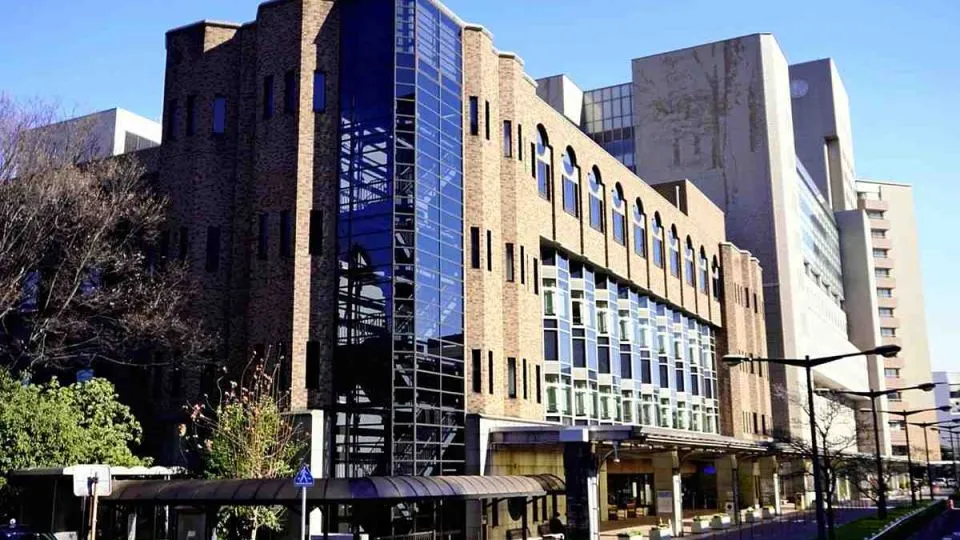
Arya News - The hospital said the securing of operating rooms and staffing increases are to credit for the drop.
TOKYO – The University of Tokyo Hospital turned down 11 organ transplant surgeries in 2025, cutting the number of forgone procedures to about one-third of its 2023 peak, according to an analysis by a university team.
The hospital said the securing of operating rooms and staffing increases are to credit for the drop.
With the number of organ donations rising nationwide, the University of Tokyo Hospital’s approach is expected to serve as a model for other medical institutions. The hospital, which leads Japan in organ transplants from brain-dead donors, performed 107 heart, lung and liver transplants in 2025, while the number of organ donations from these donors reached a record 146 nationwide.
Still, the hospital has had to turn down a double-digit number of donated organs each year since 2023, hampered by factors such as an inability to secure weekday operating rooms and thin staffing capabilities on weekends and holidays.
The hospital dropped four surgeries in 2021 and three in 2022, but that figure surged to 32 in 2023, according to Masaaki Sato, a professor of thoracic surgery involved in the analysis.
To address this bottleneck issue, the hospital adjusted its surgical schedule by having transplant departments secure weekday operating room slots and postponing non-transplant surgeries. It also canceled weekday surgeries when transplants were performed on weekends and holidays to ensure staff members could rest. In addition, the hospital used donations to increase the number of doctors, nurses, clinical engineers and other personnel.
These efforts brought the number of forgone surgeries down to 23 in 2024 and 11 in 2025.
Transplant medicine is transitioning from a specialized treatment limited to a select few patients to standard care available to those who need it in a timely manner.
“The University of Tokyo Hospital’s efforts deserve credit, but surgeries are still being turned down, so we are only halfway there,” said Tomoharu Yoshizumi, a professor at Kyushu University’s Department of Surgery and Science who is an expert in transplant medicine. “There is a limit to what a single hospital can do on its own. The central government must consider bold steps, such as setting up dedicated transplant centers backed by sufficient staff and funding.”