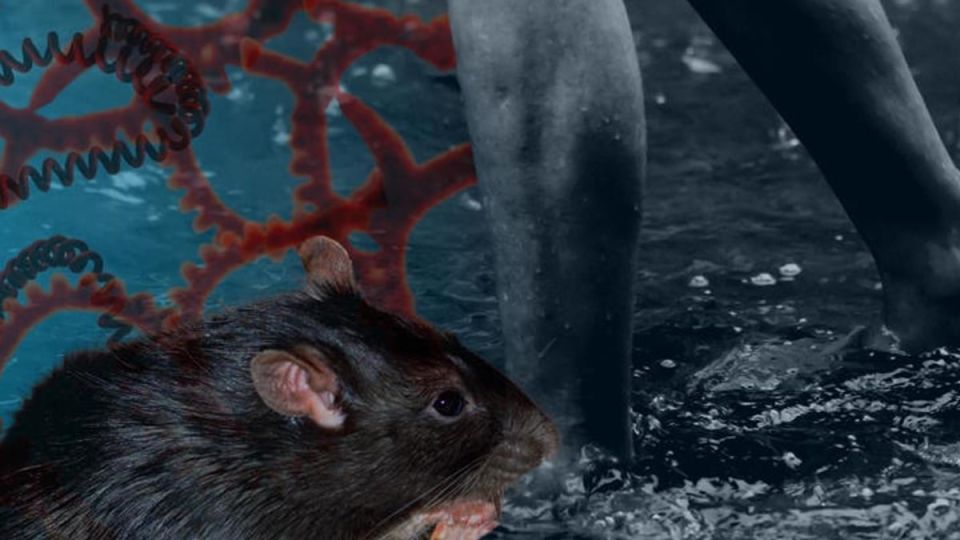
Arya News - Leptospirosis is a disease caused by the Leptospira bacteria found in water contaminated by the urine of affected rats.
MANILA – The National Kidney and Transplant Institute (NKTI) in Quezon City has limited walk-in admissions at its emergency room (ER) as it operates at full bed capacity amid a surge in leptospirosis cases and a high volume of patients.
“To prioritize patients requiring emergency care and admission, walk-in admissions will be subject to limitations until further notice, with priority given to patients requiring urgent and critical medical interventions,” the NKTI said in a notice on Sunday.
Patients seeking elective or non-emergency admission were advised to coordinate with their attending physicians.
The NKTI also urged patients to consider other healthcare facilities with available beds to avoid prolonged waiting times.
“We apologize for any inconvenience and thank you for your patience and understanding,” the hospital said.
The Department of Health (DOH) raised a Code White alert last week.
The agency has been closely monitoring a possible increase in leptospirosis cases following widespread flooding caused by continuous rains in Metro Manila and other parts of the country.
“Even without symptoms, if you waded in floodwaters or were exposed to mud, consult the nearest health center or doctor within 24 to 48 hours to assess your risk level and receive appropriate treatment or prophylaxis,” the DOH said.
Leptospirosis is a disease caused by the Leptospira bacteria found in water contaminated by the urine of affected rats. The bacteria can survive in contaminated water or soil for weeks to months.
People may get leptospirosis by wading through floodwaters or handling soil, dirt or mud after a flood, with or without visible wounds, through exposed skin.
The disease poses a major health problem in the country, especially during the rainy season from June to November. About 10 to 15 percent of patients die from leptospirosis.
Patients who contract leptospirosis often experience mild flu-like symptoms, including fever, headache, chills, body or muscle aches, vomiting or nausea, and yellowed skin and eyes.
Symptoms of leptospirosis can appear as early as two days to as late as 30 days after exposure to contaminated floodwater, and can only be clinically observed in an average of seven to 14 days.
However, about 5 percent of leptospirosis cases progress to more severe complications such as Weil’s syndrome, which can lead to kidney failure and lung hemorrhage.